
Understanding gambling addiction A guide to awareness and healing
What is Gambling Addiction?
Gambling addiction, often referred to as compulsive gambling or pathological gambling, is a behavioral disorder characterized by an uncontrollable urge to gamble despite the negative consequences that may arise. Individuals suffering from this addiction often experience a distorted perception of risk and reward, leading them to chase losses and engage in increasingly risky behaviors. For those looking for a dynamic gaming experience, casino lizaro offers a variety of thrilling online options. This compulsive behavior can lead to significant emotional, financial, and social distress, affecting not only the individual but also their families and communities.
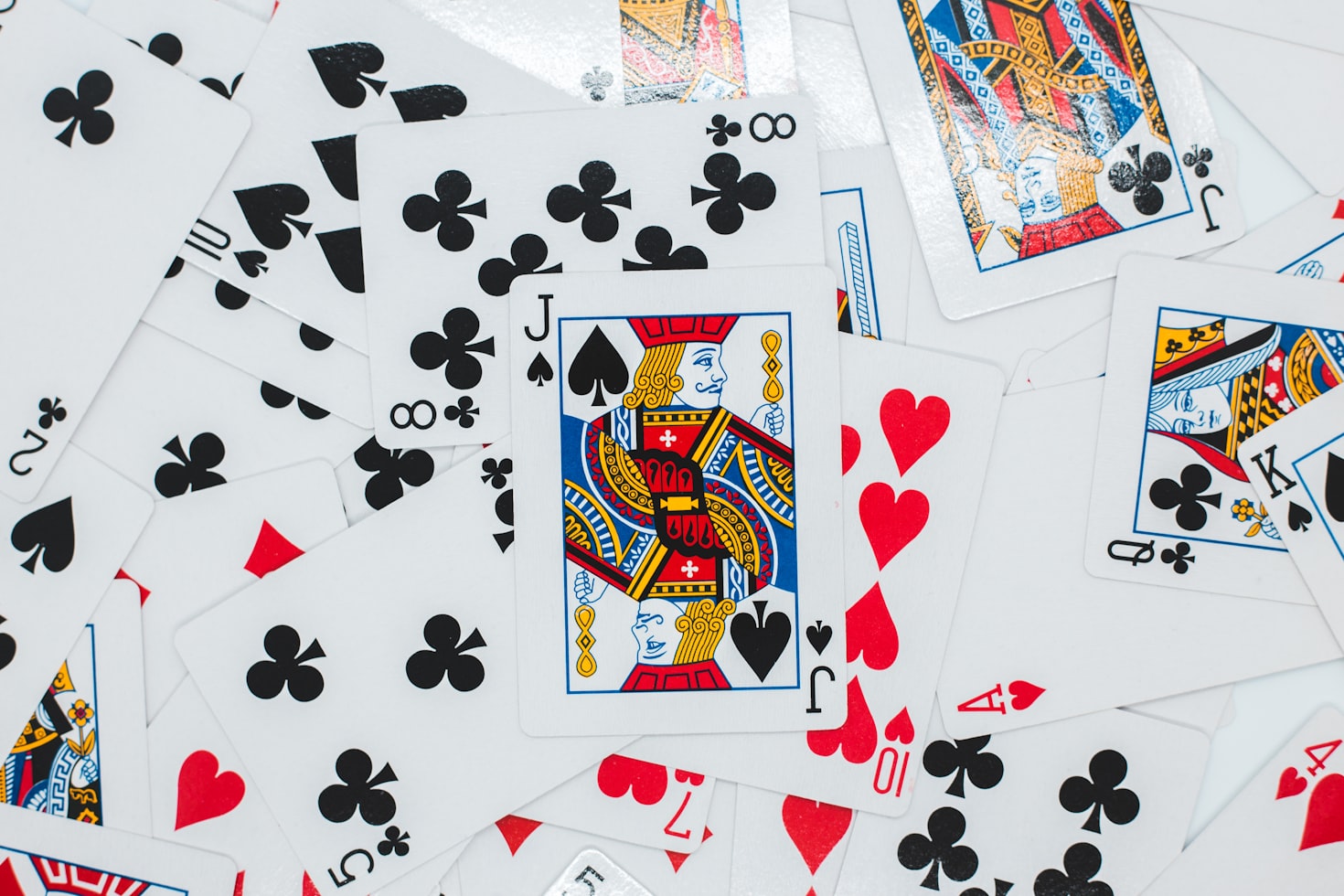
This disorder manifests in various ways, including preoccupation with gambling, the need to gamble with increasing amounts of money, and lying to conceal the extent of one’s gambling activities. Additionally, many gamblers may resort to borrowing or stealing money to fund their gambling habits, further exacerbating their situation. Understanding these behaviors is crucial in recognizing the signs of gambling addiction and fostering an environment for recovery.
Gambling addiction can be compared to substance abuse in terms of its impact on the brain. The thrill of winning releases dopamine, a feel-good chemical, which reinforces the behavior and makes it addictive. As a result, the brain may crave that dopamine rush, making it challenging for individuals to quit even when they recognize the harm they are causing themselves and others.
Signs and Symptoms of Gambling Addiction
Recognizing the signs and symptoms of gambling addiction is essential for early intervention and recovery. Common indicators include increasing amounts of time spent gambling, neglecting responsibilities and relationships, and experiencing withdrawal symptoms when not gambling. Individuals may also exhibit secrecy about their gambling habits or show a lack of concern for the consequences of their actions.
Financial problems often become a significant sign of gambling addiction, as individuals may accrue debt, deplete savings, or even face bankruptcy due to their gambling behaviors. Emotional symptoms may include feelings of guilt, anxiety, or depression related to gambling activities. These signs can serve as a wake-up call for individuals and their loved ones, prompting necessary discussions about seeking help.
Furthermore, many gamblers experience a cycle of winning and losing, which can further complicate their relationship with gambling. Periods of winning may reinforce the behavior, making it harder to recognize the losses that accumulate over time. Understanding these patterns is crucial for family members and friends who want to support their loved ones in overcoming this addiction.
The Impact of Gambling Addiction
The impact of gambling addiction stretches far beyond the individual, affecting families, relationships, and communities. Financial strain is often the most visible consequence, leading to bankruptcy, loss of homes, and significant debt. This financial instability can create a ripple effect, affecting family dynamics and leading to conflicts, misunderstandings, and breakdowns in communication.
In addition to financial repercussions, gambling addiction can lead to emotional turmoil. Many individuals experience feelings of shame, isolation, and despair, leading to mental health issues such as anxiety and depression. These emotional challenges can make it even more difficult for individuals to seek help, perpetuating a cycle of addiction and despair.
Moreover, the social consequences of gambling addiction can be profound. Relationships with family and friends may suffer as trust erodes and communication breaks down. Those struggling with gambling addiction may withdraw from social activities or engage in secretive behavior, further isolating themselves. Understanding these impacts is essential for fostering empathy and support for those affected by gambling addiction.
Pathways to Recovery
Recovery from gambling addiction is a multi-faceted process that often requires a combination of therapy, support groups, and sometimes medication. Cognitive-behavioral therapy (CBT) is one of the most effective treatments, helping individuals recognize and change their negative thought patterns and behaviors associated with gambling. Through therapy, individuals can learn coping strategies to deal with cravings and triggers in healthier ways.
Support groups, such as Gamblers Anonymous, provide a valuable community for individuals in recovery. These groups offer shared experiences, understanding, and encouragement from peers who have faced similar challenges. The communal aspect of support groups can be instrumental in the healing process, reducing feelings of isolation and increasing accountability.
Lastly, establishing a support network that includes family members and friends is crucial. Open discussions about gambling behaviors and the impact on loved ones can foster understanding and support. Recovery is often a long journey, and having a network of understanding individuals can make a significant difference in sustaining long-term recovery.

Resources for Understanding and Healing
Finding reliable resources is essential for those seeking to understand gambling addiction and embark on the path to recovery. Various organizations offer educational materials, counseling services, and support for both individuals struggling with addiction and their loved ones. Websites dedicated to gambling addiction provide valuable information on identifying symptoms, understanding the impact of addiction, and accessing treatment options.
Additionally, many local communities offer workshops and seminars focused on gambling awareness and recovery strategies. These resources can help demystify gambling addiction, making it easier for individuals to confront their challenges and seek help. Education is a powerful tool in raising awareness about gambling addiction and its impact on personal and community levels.
Ultimately, understanding gambling addiction is the first step toward healing. By educating ourselves and those around us, we can create a supportive environment that fosters recovery and resilience. The journey may be challenging, but with the right resources and support, recovery is not only possible; it is achievable.
Recent Comments