
Are all cryptocurrencies the same
The total crypto market volume over the last 24 hours is $172.65B, which makes a 34.94% increase. The total volume in DeFi is currently $27.22B, 15.77% of the total crypto market 24-hour volume casino card games names. The volume of all stable coins is now $161.34B, which is 93.45% of the total crypto market 24-hour volume.
These crypto coins have their own blockchains which use proof of work mining or proof of stake in some form. They are listed with the largest coin by market capitalization first and then in descending order. To reorder the list, just click on one of the column headers, for example, 7d, and the list will be reordered to show the highest or lowest coins first.
Play-to-earn (P2E) games, also known as GameFi, has emerged as an extremely popular category in the crypto space. It combines non-fungible tokens (NFT), in-game crypto tokens, decentralized finance (DeFi) elements and sometimes even metaverse applications. Players have an opportunity to generate revenue by giving their time (and sometimes capital) and playing these games.
Are all cryptocurrencies the same
The comparison between digital currency and cryptocurrency also focuses on the fact that all crypto transactions utilize wallet addresses. Almost all cryptocurrency transactions on public blockchains are traceable with the help of wallet addresses. However, it is difficult to find out the identity of the users involved in the transaction.
Another possible application is in central bank digital currencies, which could be issued by a country’s bank or monetary authority. These would be used and stored in online wallets, similar to cryptocurrencies, but allowing the central bank to issue and freeze tokens at will. Several countries, such as China, have proposed digital versions of their currencies.
The world of cryptocurrencies is a whirlwind of innovation. New projects, trends, and even entirely new sectors of blockchain application seem to emerge constantly. Staying informed in this rapidly evolving space is essential for making smart decisions, whether as an investor, developer, or simply a curious observer. Here’s how:
Digital currencies also enable instant transactions that can be seamlessly executed across borders. For instance, someone in the United States may make payments to a counterparty in Singapore using digital currency, provided they are both connected to the same network.
Money has been one of the key elements in how the world works. Imagine the chaos in society without a store of value and means to exchange products and services. The evolution of money has led it to the point where currency has turned digital. Most of you would have heard about digital currency and cryptocurrency quite frequently in discussions about finance and technology.
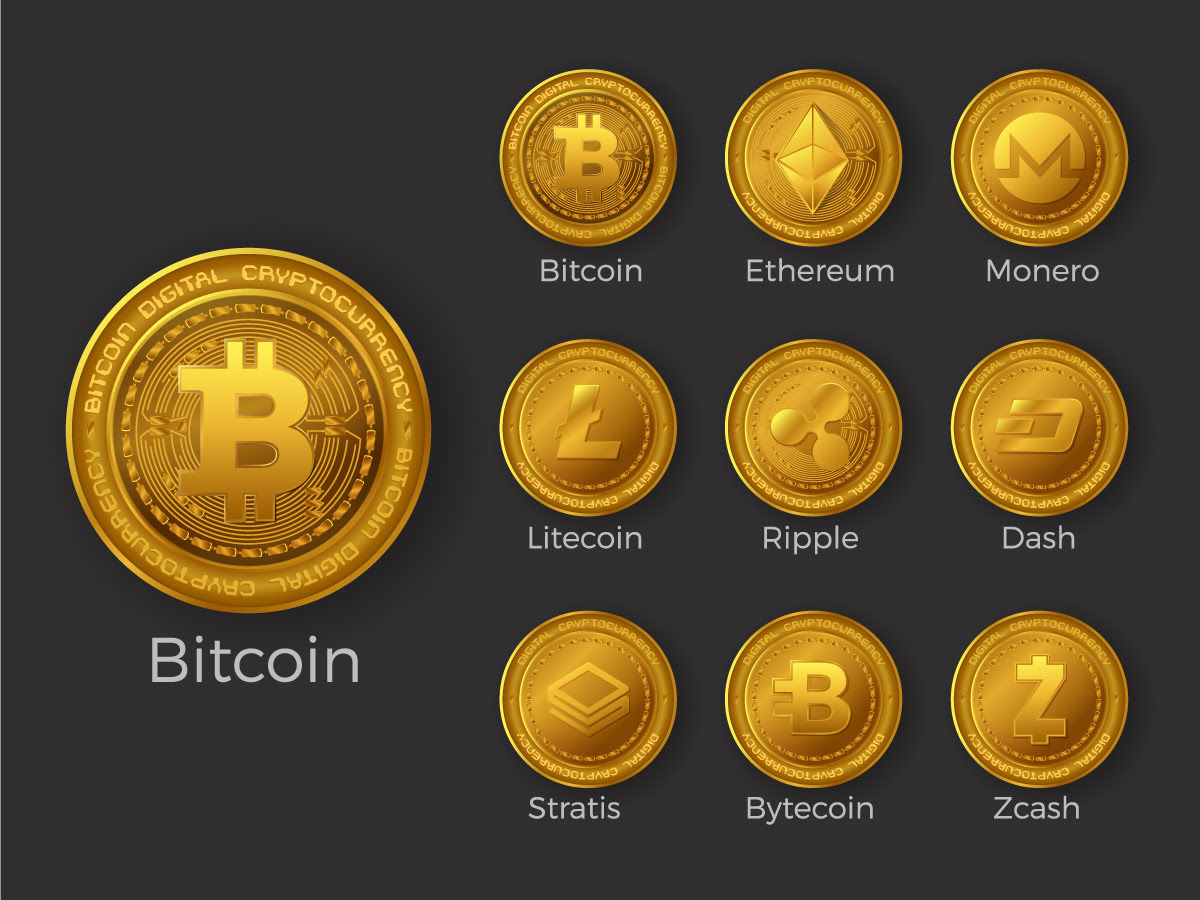
Are all cryptocurrencies based on blockchain
A blockchain is a decentralized ledger of all transactions across a peer-to-peer network. Using this technology, participants can confirm transactions without a need for a central clearing authority. Potential applications can include enterprise blockchain applications, sustainability, tokenization, fund transfers, supply chain tracking and many other areas.
Bitcoin is the original cryptocurrency and, in many ways, still the standard by which all others are judged. It’s also the oldest, having first appeared back in 2009. The opposing camps see Bitcoin as either digital gold or fiat currency 2.0. They’re both right. Here’s what you need to know about using it, how it works, and how to buy it.
Why do this? The food industry has seen countless outbreaks of E. coli, salmonella, and listeria; in some cases, hazardous materials were accidentally introduced to foods. In the past, it has taken weeks to find the source of these outbreaks or the cause of sickness from what people are eating.
Byteball, another DAG-based network, relies on 12 so-called witness nodes that operate a main chain. These witness nodes are controlled by the developer to check the state of the DAG. While IOTA and Byteball claim their solutions are temporary, they’re problematic in terms of centralization, since both of them are, in a sense, operated by a central authority.
Recent Comments